What We Teach
Montessori Learning Areas
The five key areas of learning in the Montessori environment include, Practical life, Sensorial, Language,
Mathematics and Culture.
Our method of education is based on self-directed activity, hands on learning and collaborative play. In Montessori
classrooms children make creative choices in their learning, while the classroom and the highly trained teachers
(directresses) offer age-appropriate activities to guide the process.
Children work in groups and individually to discover and explore knowledge of the world and
to develop their maximum potential. Every material in a Montessori classroom supports an
aspect of child development, creating a match between the child’s natural interest and the
available activities. classrooms children make creative choices in their learning, while the classroom and the highly trained teachers
(directresses) offer age-appropriate activities to guide the process.
Practical Life
This curriculum area is dedicated to the familiar
Activities of Everyday Living, activities that bridge
home life and the school life, indirectly assists the
ease of transition for the child. Practical life
activities are some of the first activities to be
introduced to the child as they develop the
child’s independence, assist the child to gain
physical and mental action control, foster
concentration, and equip the child with skills for
later learning.
Sensorial
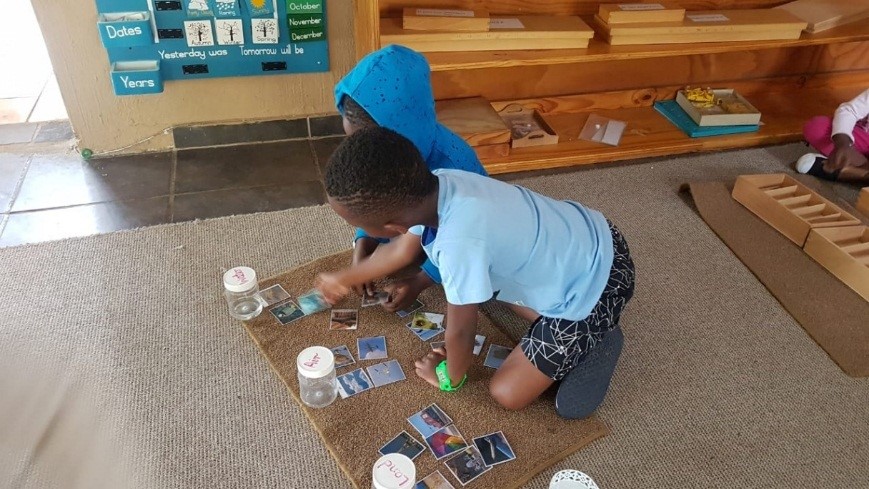
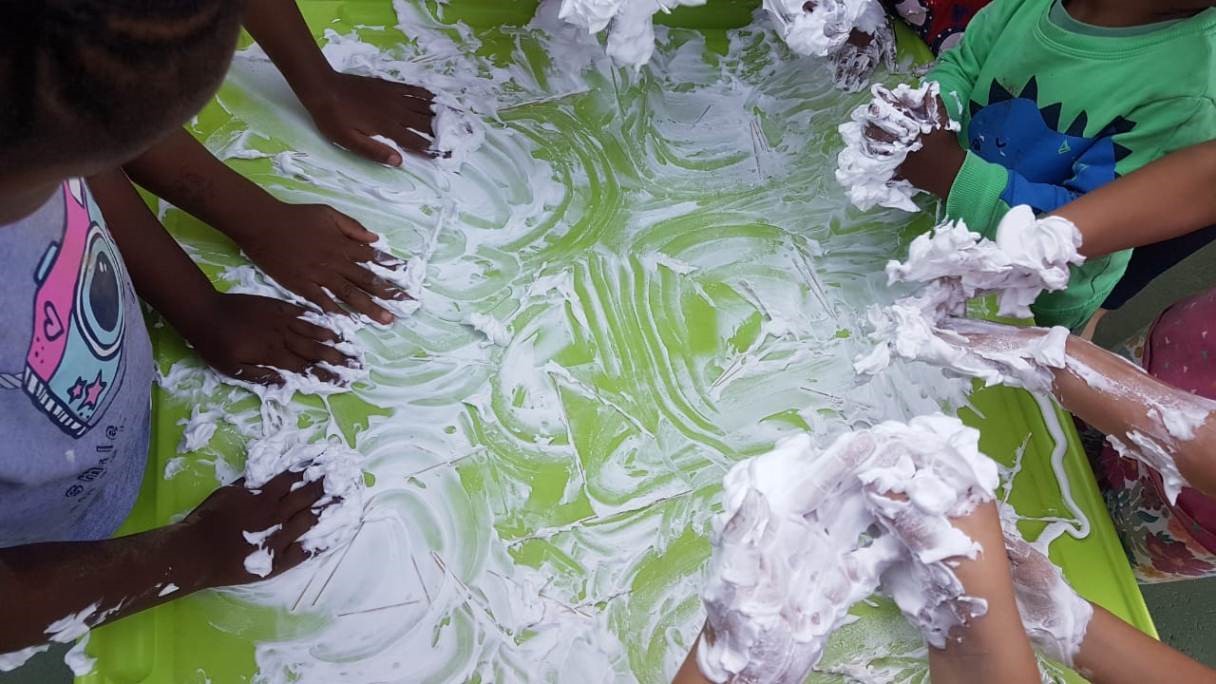
Education of the senses is one of the most vital curriculums in a child’s developmental sensitive period and for later learning in the child’s education period. The curriculum area is filled with carefully crafted materials that isolate one sense for maximum refining of the sense. The Montessori material see to it that the five basic senses are developed and refined which are visual, auditory, olfactory, gustatory, and tactile senses. Through the exploration of the sensorial materials the child enhances perception skills for baric, thermic, chromatic, kinaesthetic and stereognosis experiences, as the child develops the ability to classify, interpret, grade, and organise their sensorial experiences.
Cultural Studies
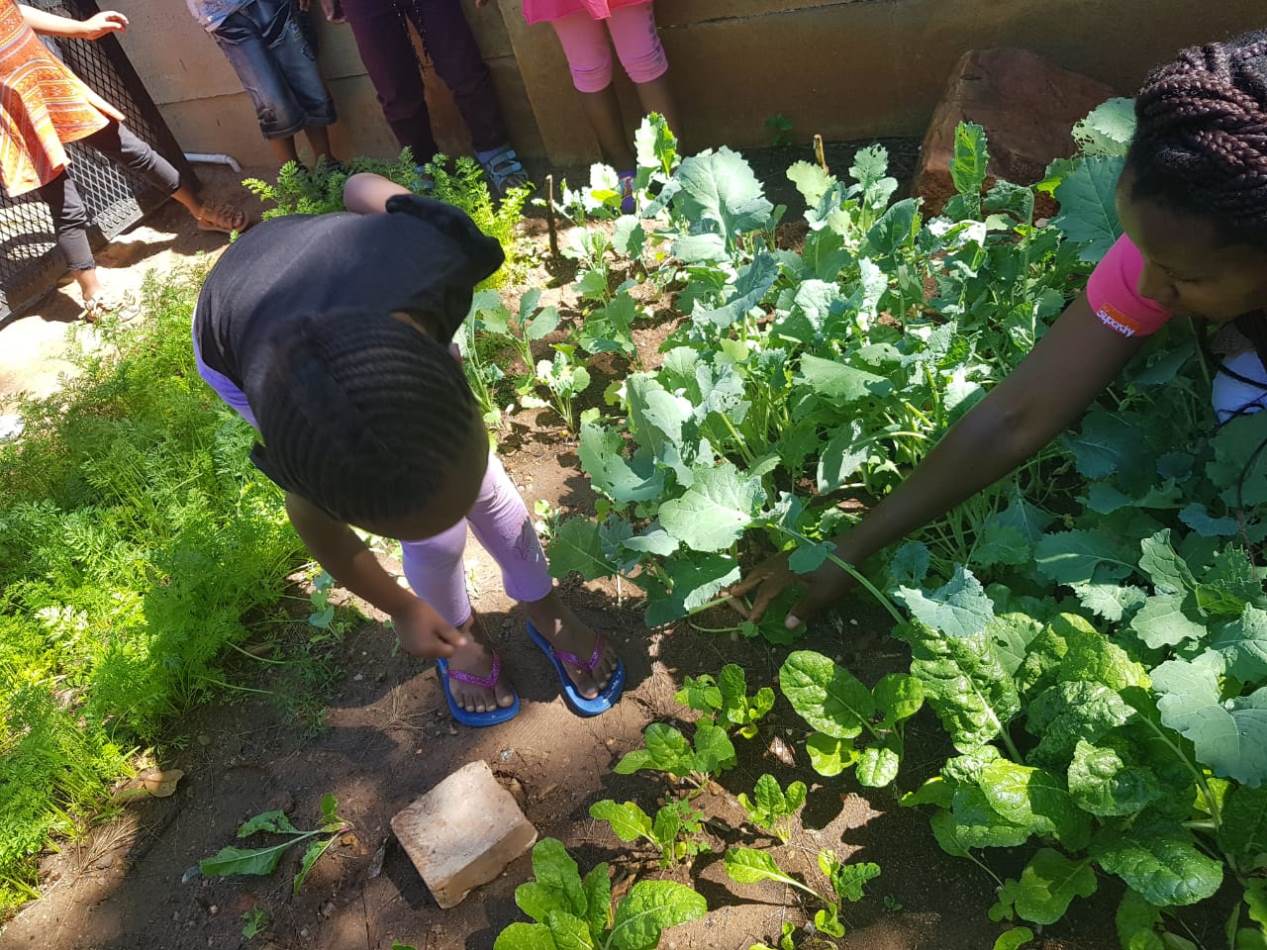
This Montessori curriculum area is exploration of the world around us. is filled with a collection of fascinating materials that allow the young child to gain an overview of Biology, Geography, Science, and History. To develop an understanding to the child of his or her cosmic task, that nothing exists in isolation, and to bridge social and cultural prejudices so as to foster a desire to live with consideration and integrity towards others and the planet through peace education in Knowledge and understanding of the world.
Numeracy/Mathematics
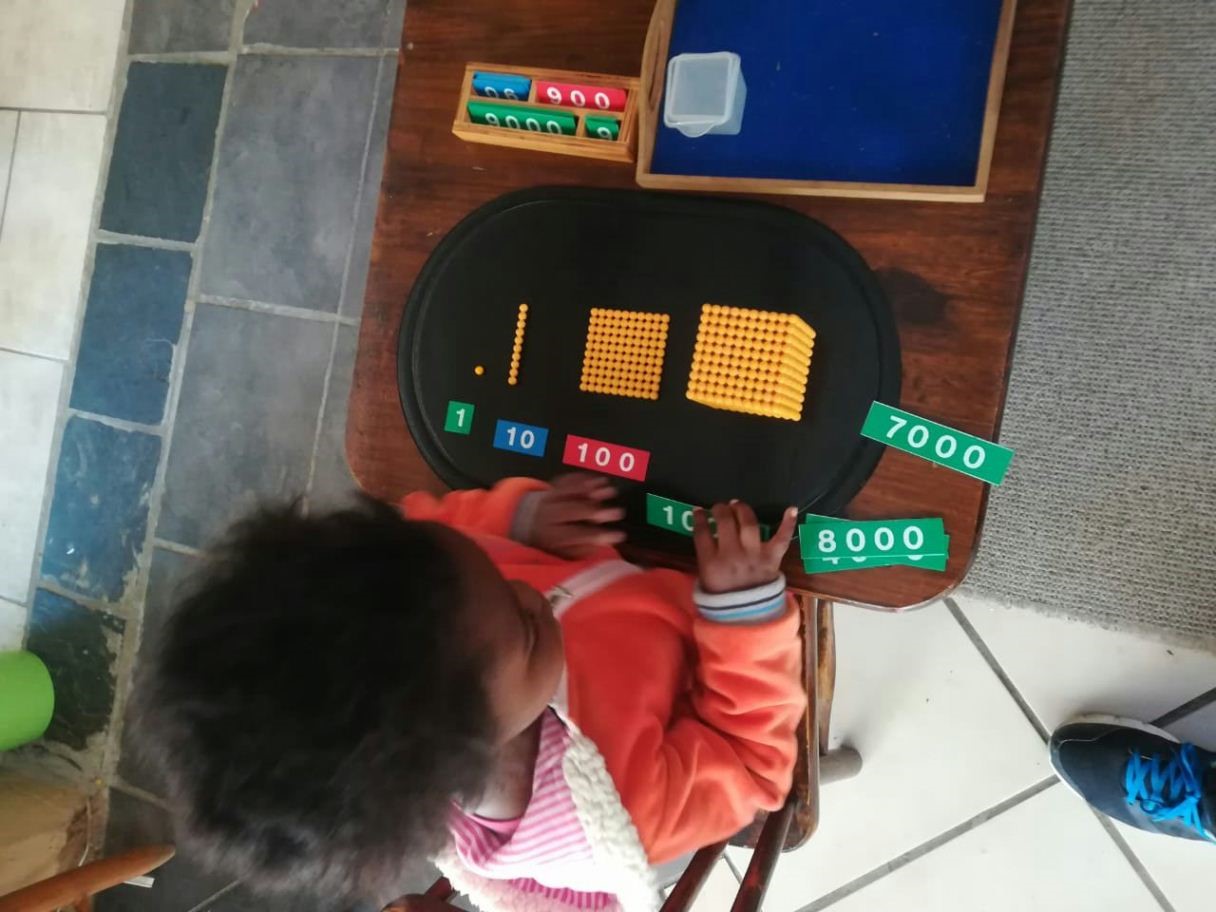
Montessori numeracy curriculum requires firm
following of the sequence, as each lesson
depends on the mastery of the previous
activity. Mathematics experiences are
presented to the child from concrete to
abstract for the child to establish an
understanding to the meaning of number
symbols and their relationship to quantities.
The child is taken through early math
introduction, the decimal system , early
addition, subtraction and multiplication, with
arithmetic tables and geometry. The lessons
are presented from easy to complex.
Language
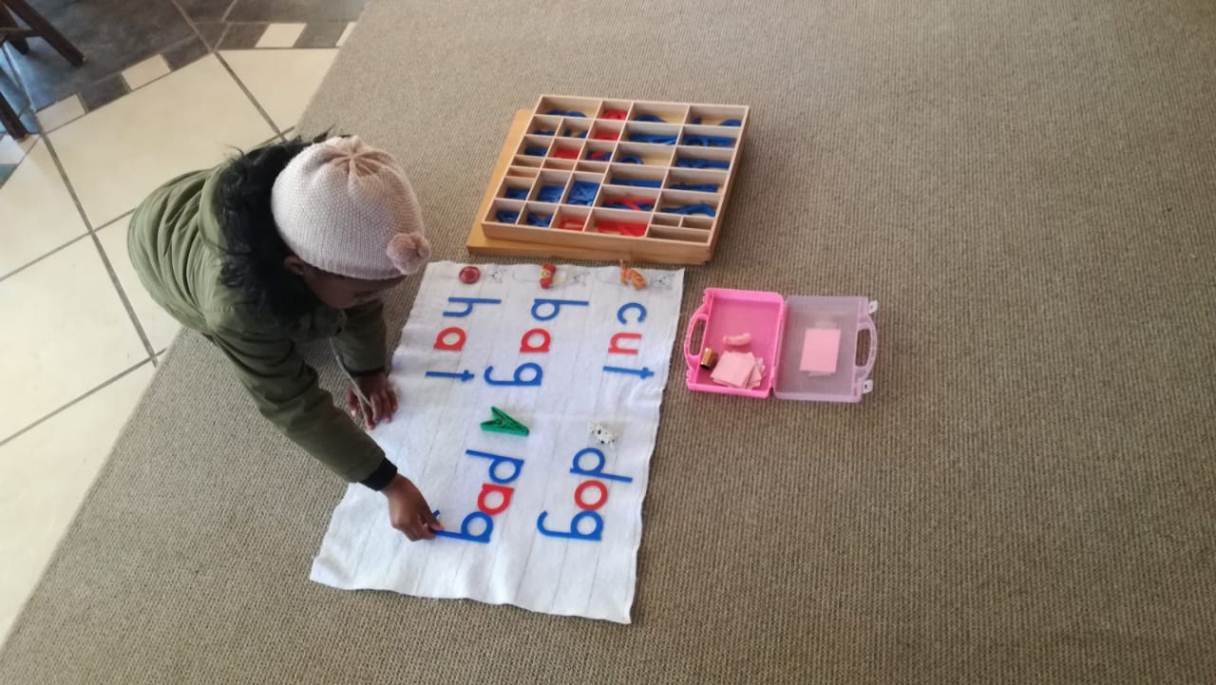
The child’s sensitive period for language need is met where child is constantly introduced to appropriate terminology of concepts and objects around the environment. The child needs to be an effective communicator, to be able to listen, speak, read, write, label, and interact with the environment. The child works through the curriculum at his/her own pace.
Writing skills generally come before reading, the approach to reading is phonetic, but other methods such as sight reading, and language experience are not left out. Materials used in this curriculum are reading books, handwriting tools, and storytelling. Activities include conversations, discussions, and fun grammar games.